
The Conversations Happening Inside Schreiber Sibs
August 26, 2026
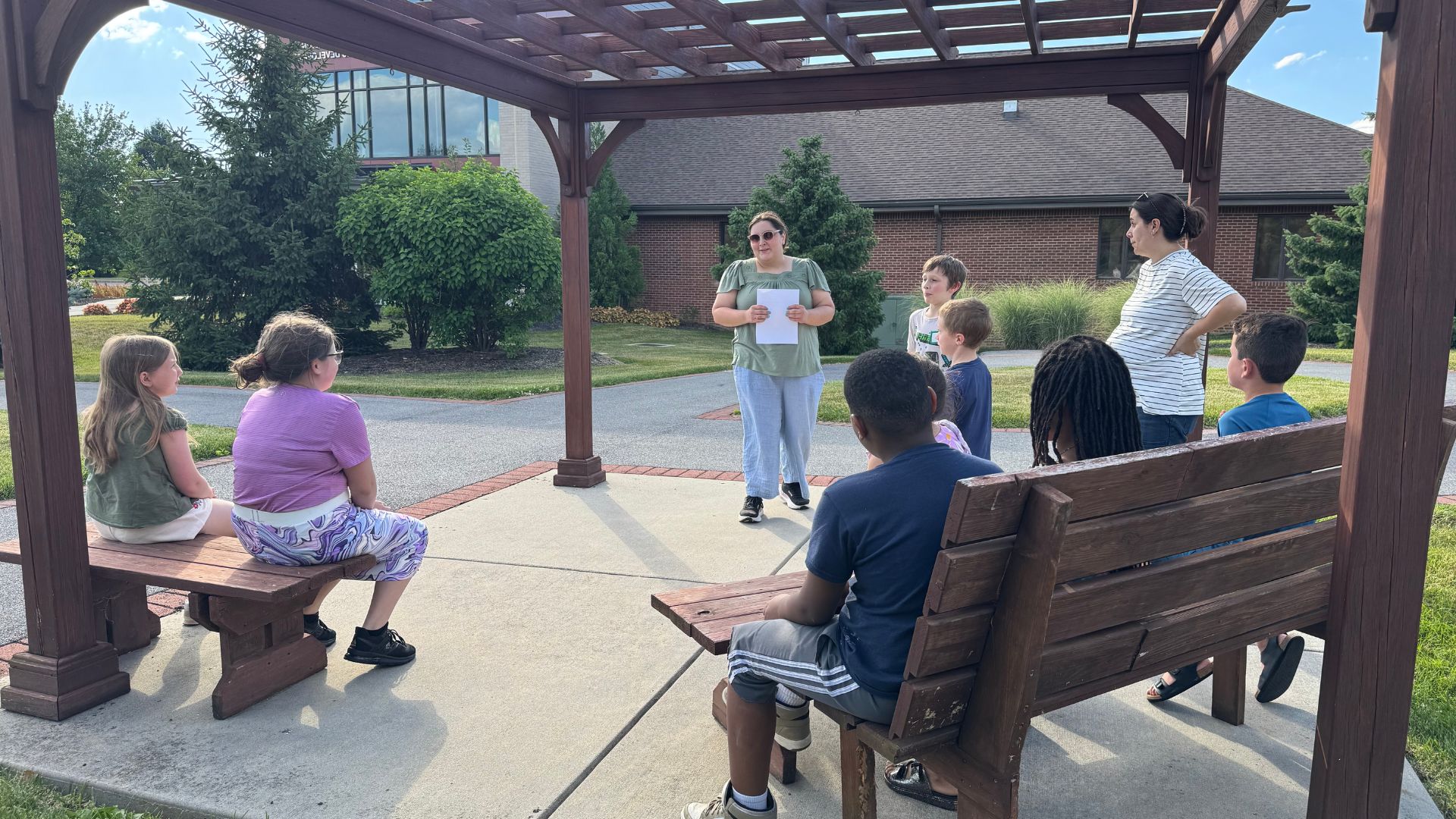
The evening starts the way many evenings do when eight children between the ages of 7 and 12 gather in the same room. There are games of tag, laughter, and plenty of energy. Later, as the group settles in for discussion, the questions are simple. What’s your favorite food? What’s your favorite subject in school? Do you have any allergies? What do you like to do for fun?
The children answer easily. Then the conversation begins to shift.
One by one, they share their siblings’ names and diagnoses. They talk about whether their sibling is older or younger. They discuss things that come easily to them but might be difficult for their brother or sister. They share favorite activities they enjoy doing together. The transition feels natural, almost effortless. For the children in the room, these aren’t unusual topics. They are simply part of everyday life.
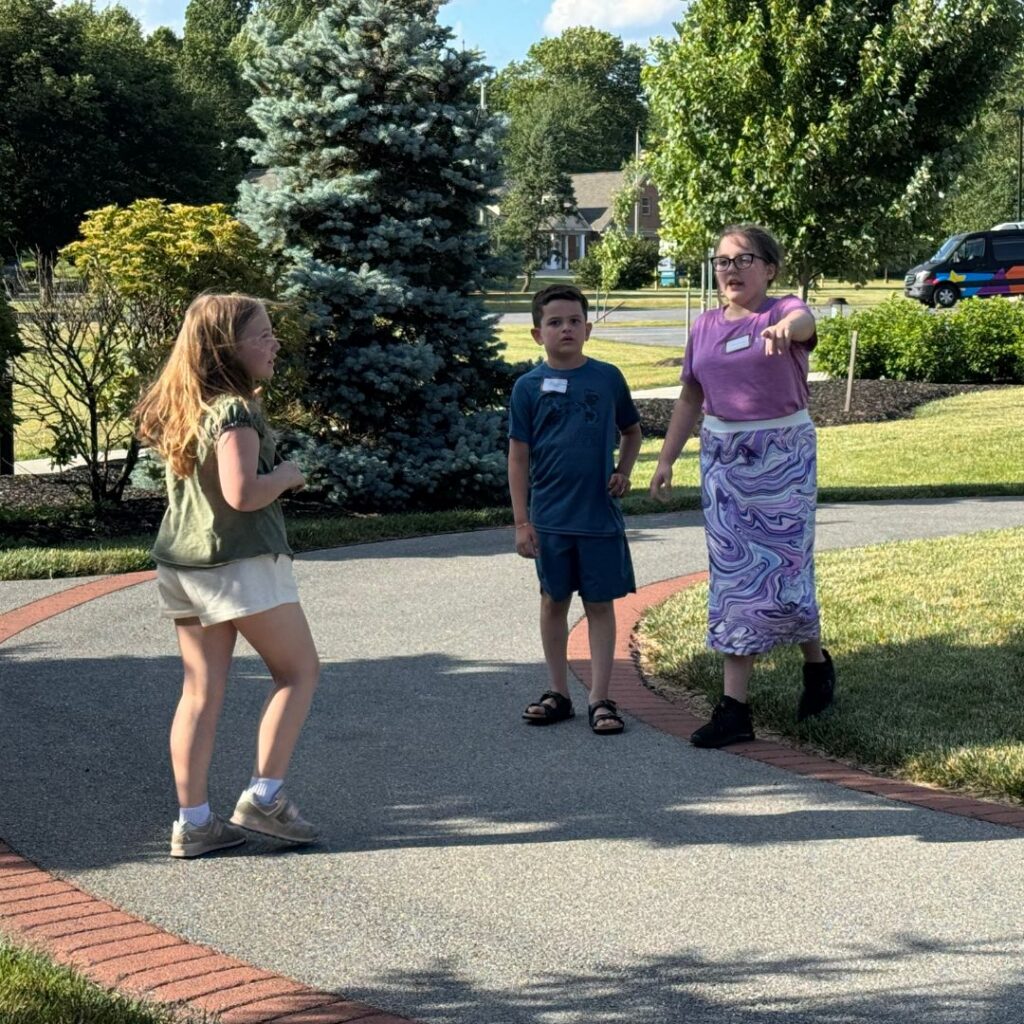
The group is participating in Schreiber Sibs, a Sibshop program at the Schreiber Center for Pediatric Development, for children who have a sibling with a disability, developmental delay, or special healthcare need. While the evening includes games, activities, and snacks, the conversations are what make the program unique. As trust builds, the children begin discussing experiences that are deeply familiar to them but may be difficult to explain to friends who don’t share the same family dynamic.
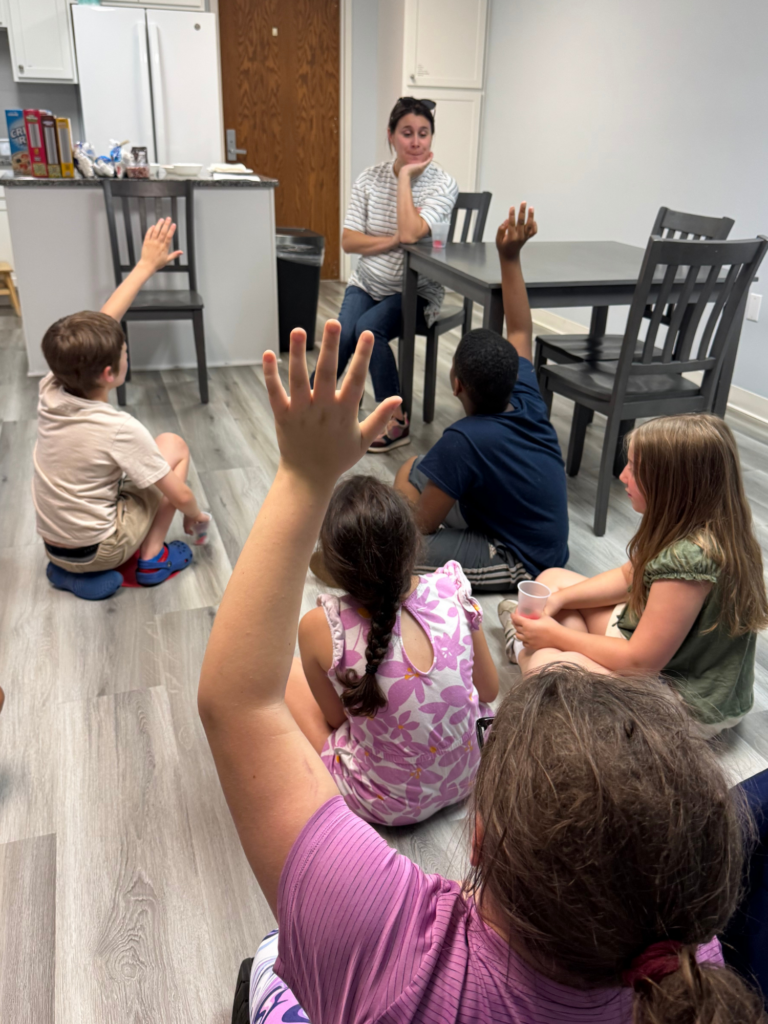
During one discussion, an occupational therapist presents a scenario. Imagine your family is supposed to spend the day at Dutch Wonderland. You’ve been looking forward to it all week. Then you wake up that morning, and your sibling is having a difficult day, forcing the family to cancel their plans.
The children don’t seem surprised by the situation. As hands begin to rise around the room, it’s clear they have all lived some version of it.
They talk about disappointment, frustration, and the challenge of missing out on something they were excited about. One child, who had been relatively quiet earlier in the evening, offers a response that seems to resonate with everyone in the room.
“When things get cancelled because your sib is having a rough day, you should just forgive them and reschedule. It’s not their fault. They were born differently and that’s okay.”
As more stories are shared, a pattern begins to emerge. The children are honest about disappointment when plans change or opportunities are missed, but they are equally thoughtful when talking about their siblings. Earlier in the evening, they had spoken confidently about their siblings’ diagnoses, strengths, and challenges. Now they are sharing ways they cope, adapt, and support their families when things don’t go as planned.
As the evening continues, friendships become just as visible as the conversations. Two boys who met through Schreiber Sibs have become nearly inseparable, teaming up during games, sitting together during snack time, and spending breaks making each other laugh. A child who initially stayed toward the back of the room gradually became more engaged in the discussion. The conversations feel less like a structured activity and more like a gathering of children who understand one another’s experiences.
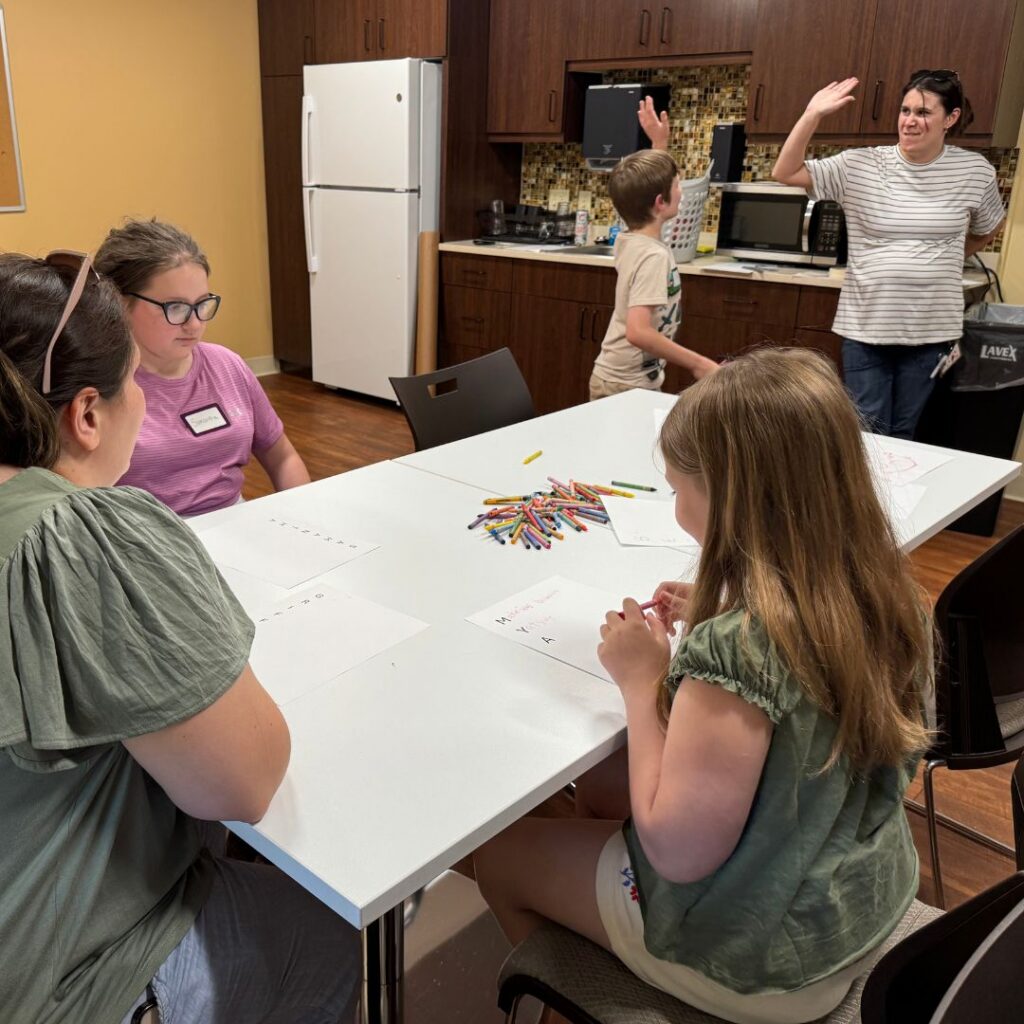
In many ways, that’s the value of Schreiber Sibs. School friends may care deeply, but they don’t necessarily know what it’s like to have a sibling whose needs can unexpectedly change family plans. Parents provide support and guidance, but they don’t know what it feels like to experience those situations as a sibling.
Within this group, children can talk openly about both the joys and challenges of their family experiences with peers who genuinely understand. They’re also guided by occupational therapists who have siblings with disabilities or developmental delays themselves. As conversations move from favorite foods and school subjects to disappointment, patience, and family dynamics, the children are surrounded by people who understand those experiences from more than one perspective.
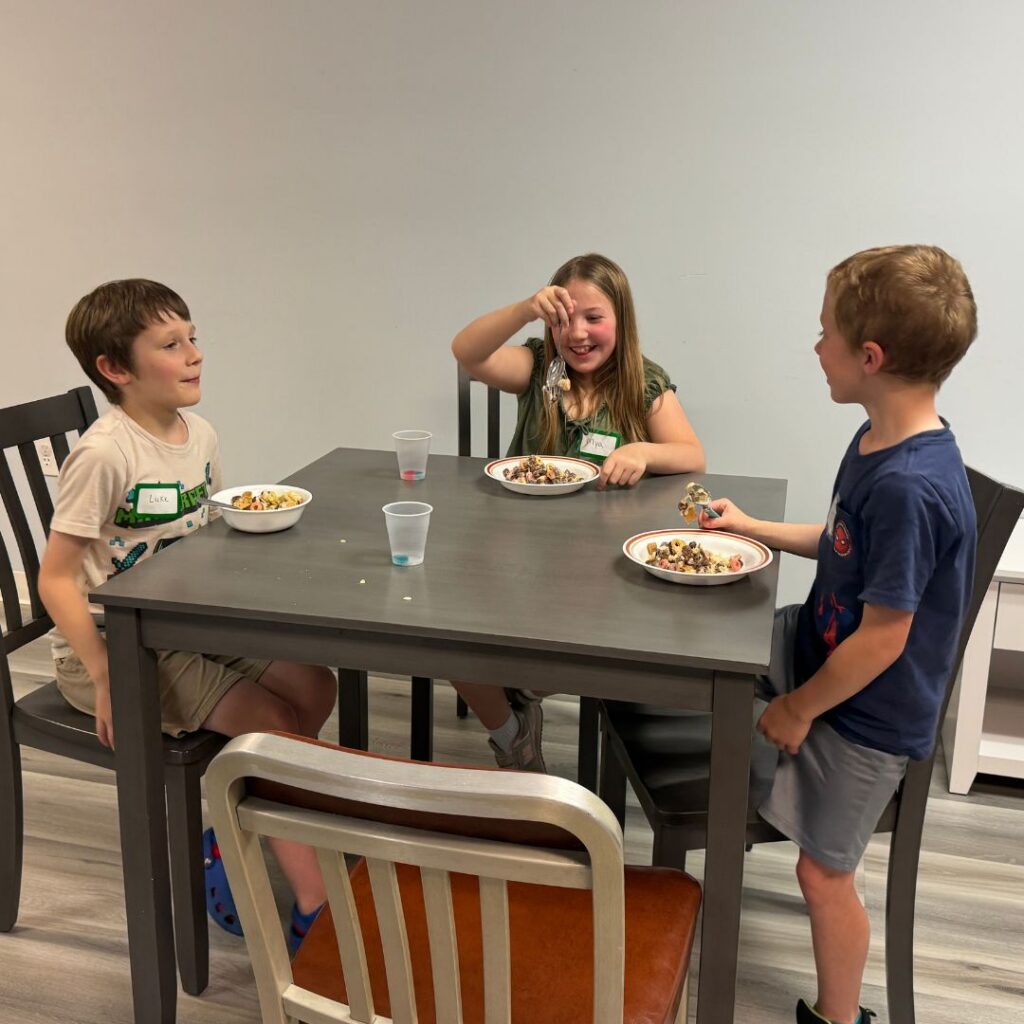
By the end of the evening, the occupational therapists ask the children to share their favorite part of the session. Most of them answer the same way: snack time.
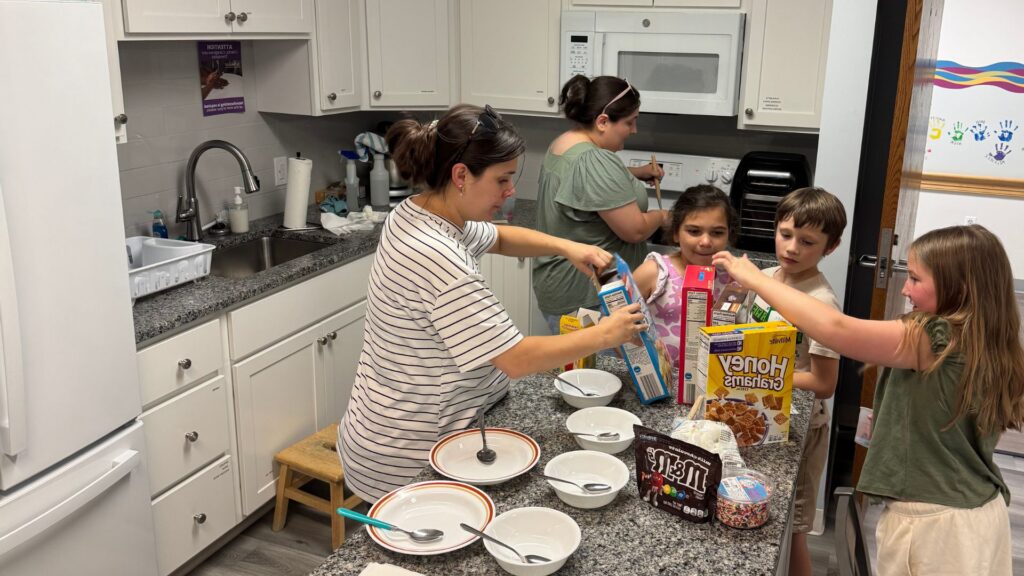
The response gets a laugh, but it makes sense. While the children are making cereal bars and eating together, the conversations tend to flow most naturally. Stories are shared, advice is offered, and friendships continue to grow.
For a few hours, the children have a space where they can celebrate their siblings, share frustrations, offer advice, and discover that other children understand exactly what they mean.
That’s what Schreiber Sibs provides: a place to have the conversations that matter.
A Place for Siblings, Too
Having a sibling with a disability, developmental delay, or special healthcare need shapes a child’s life in ways both big and small. Schreiber Sibs gives children a place to connect with peers who understand those experiences, build friendships, and discover they’re not alone.
Thanks to generous supporters, Schreiber can continue creating opportunities for children throughout central Pennsylvania to find connection, understanding, and community.
Give today and help create more spaces where children feel understood.
Have a kiddo between the ages of 7 and 12 who would benefit from Schreiber Sibs?
Get Our eNewsletter
Stay informed and inspired
Subscribe to our newsletter for the latest Schreiber news, events, and stories. You can also follow us on Facebook, Instagram, LinkedIn, and YouTube..