Social Communication Group
Practicing real-world communication in a fun, supportive group setting.
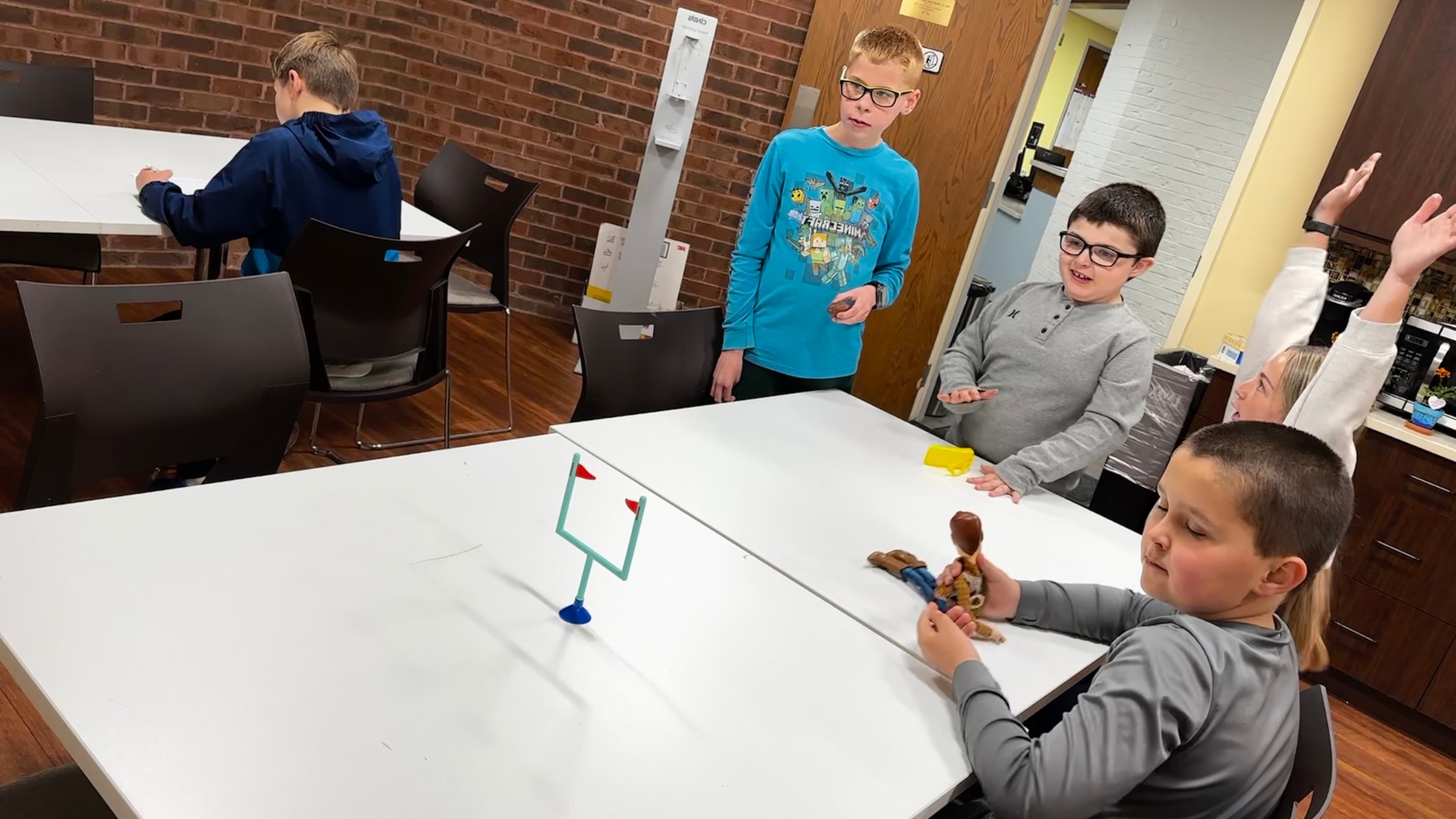
This group gives children ages 5 and older a supportive place to practice conversation, turn-taking, self-advocacy, and other everyday communication skills through fun, engaging group activities.
Social Communication Group Details
Ages
Children ages 5 and older
Group Size
Limited to 4 participants
Session Format
Small group sessions led by a licensed speech-language pathologist
What to Expect
Real-Life Social Practice
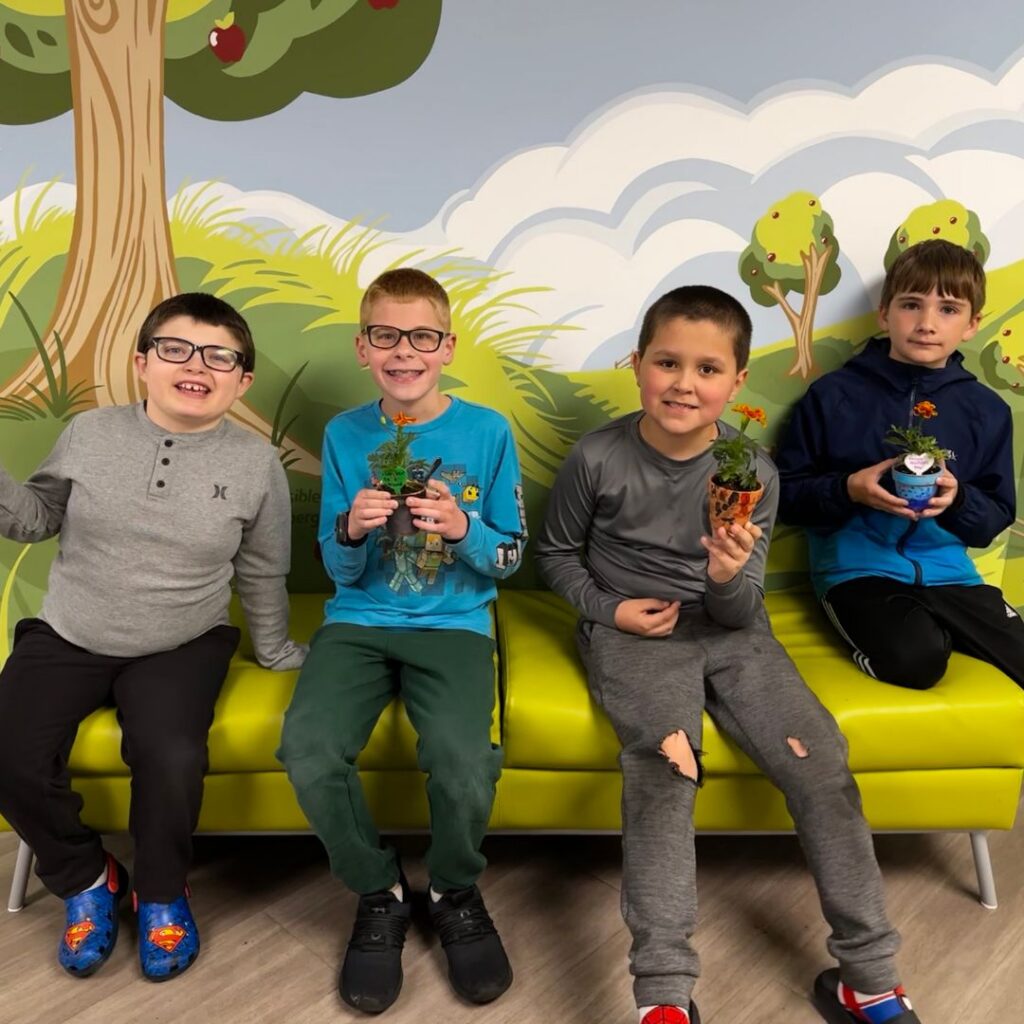
Children learn alongside same-age peers in a natural setting where they can practice communication skills during real interactions instead of role-playing with adults.
Child-Led Activities
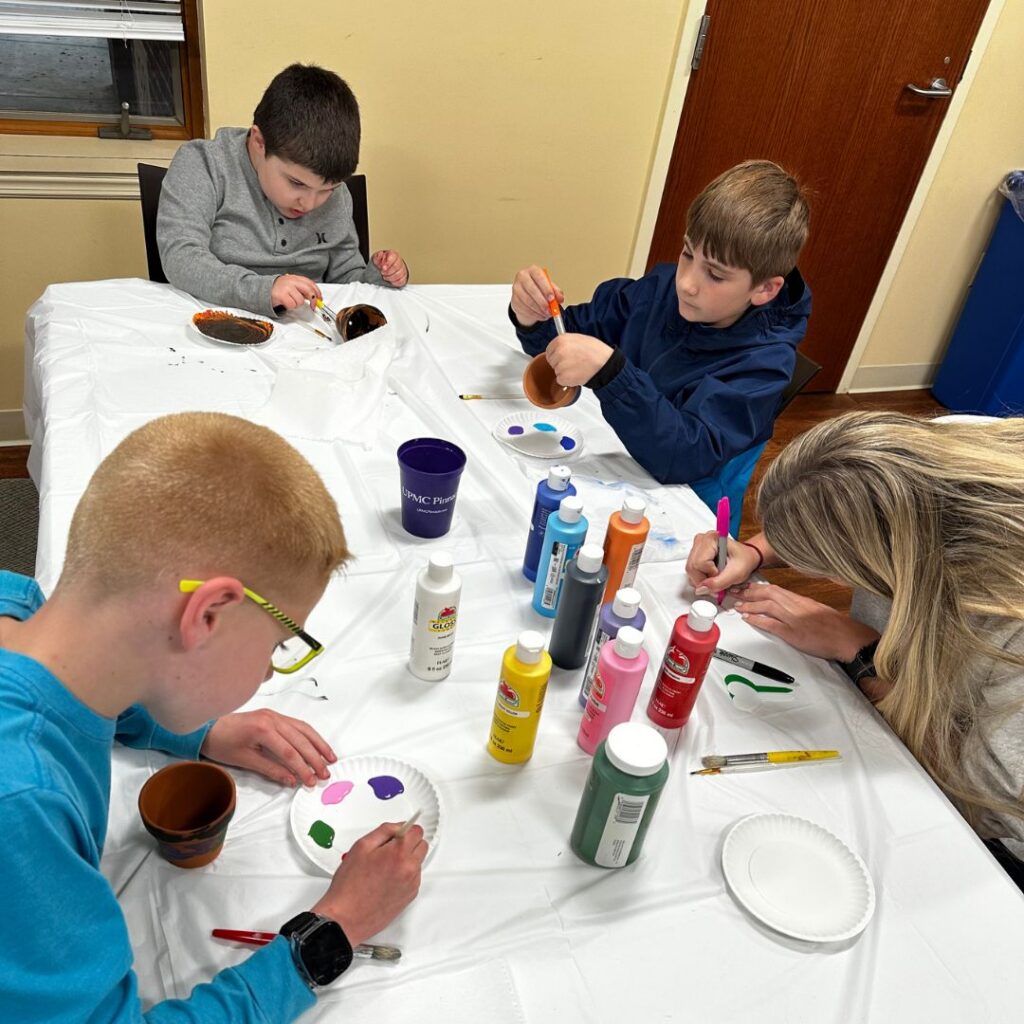
Each session begins with a conversation about everyone’s week before the group chooses from activities like board games, cooperative games, charades, books, and creative play. Every activity provides opportunities to practice social communication in a fun, engaging way.
Individualized Support
Because each group includes only four children, every participant receives personalized guidance while still benefiting from authentic peer interactions.
Support Beyond the Session
Families receive a follow-up email after every group that summarizes what was practiced and includes ideas for continuing those skills at home.
Skills Children Build
Children participating in the Social Communication Group have opportunities to strengthen:
- Conversational skills
- Turn-taking
- Self-advocacy
- Staying on topic during conversations
- Cooperative play
- Understanding expected and unexpected social behaviors
- Listening and responding to peers
- Problem-solving during social interactions
Every child progresses at their own pace while building confidence in everyday communication.
Why Group Therapy?
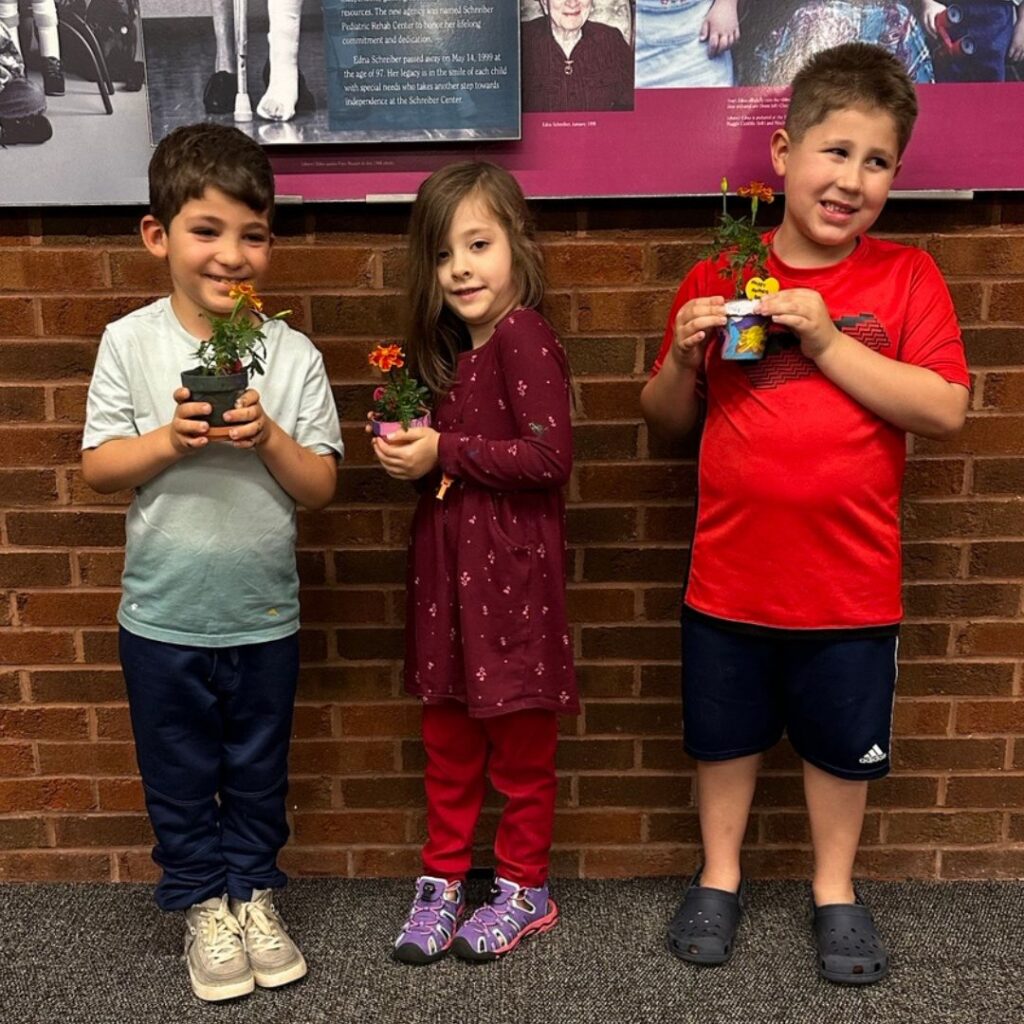
Some social communication skills simply can’t be practiced the same way during one-on-one therapy. Children naturally interact differently with peers than they do with adults, making group therapy a valuable opportunity to practice real-world communication in a supportive setting.
For many children, the Social Communication Group also serves as a natural bridge between individual therapy and greater independence, helping them apply the skills they’ve learned in everyday social situations.
Is This Group Right for Your Child?
If you think your child could benefit from practicing social communication skills with peers, talk with your child’s Schreiber speech-language pathologist or occupational therapist. They can help determine whether the Social Communication Group is a good fit based on your child’s goals and readiness.
Ways to Give
Donating to the Schreiber Center is an investment in a child’s future.
Your contributions allow us to continue offering life-changing services to children in need, providing them with the tools and support to achieve their dreams. Whether through one-time gifts, recurring donations, or legacy giving, your generosity makes a lasting difference in the lives of Schreiber kids.